SIM-Swapped and Stripped Clean: The Human Exploit That's Emptying Crypto Wallets Across America
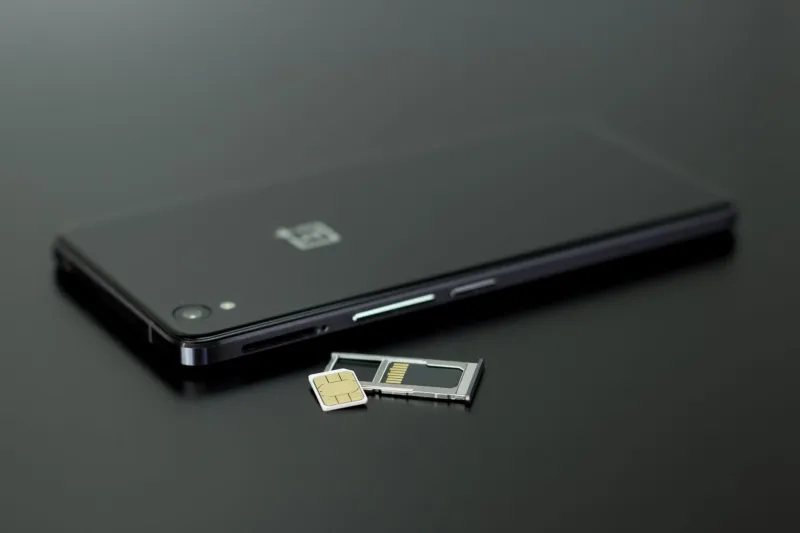
The code held. The protocol didn't break. The attacker didn't need to crack anything—they just called your carrier, told a convincing story, and walked away with your number. Twenty minutes later, your exchange account was drained and your Discord was sending phishing links to everyone you know.
This is the shape of crypto theft in 2025. Not zero-days. Not flash loan exploits. A text message. A fake Discord moderator. A spoofed email that looked exactly like the one you got last Tuesday from your favorite DEX. The decentralization movement has done a remarkable job of securing the chain. It hasn't done nearly enough to secure the person holding the keys.
The Attack Surface Nobody Wants to Talk About
Social engineering is the art of hacking humans instead of machines, and it's been around forever. What's changed is the target density. When you concentrate millions of dollars in digital assets behind credentials that a persuasive phone call can compromise, you've built a very attractive problem.
SIM swapping is the headline attack, and it's ugly in its simplicity. An attacker calls your mobile carrier—T-Mobile, Verizon, AT&T, take your pick—poses as you, claims a lost or damaged phone, and requests your number be transferred to a SIM card they control. Carriers have been burned repeatedly on this. Some have improved verification. Many haven't, or their frontline staff gets socially engineered anyway. Once the number ports over, every SMS-based two-factor authentication code goes to the attacker. Password resets, exchange logins, email recovery—all of it flows through that compromised number.
In 2023, a wave of attacks targeting members of a prominent NFT collector community netted attackers over $22 million in a matter of weeks. The entry point wasn't blockchain-level. It was phone numbers tied to exchange accounts.
Discord: The Phishing Pond
If SIM swapping is the brute-force entry, Discord-based attacks are the long game. The platform has become the de facto communication layer for crypto communities, which makes it an extraordinarily rich environment for social engineers.
The playbook is disturbingly effective. A compromised account—often a moderator or well-known community member—starts DMing users with urgent messages. "Whitelist closing in an hour." "Your wallet flagged for suspicious activity." "Claim your airdrop before the snapshot." The link looks right. The branding looks right. The account sending it has history and credibility.
You connect your wallet to a malicious site. You sign a transaction you don't read carefully. Token approval granted. Your assets are gone before the real moderator wakes up and posts a warning.
This isn't hypothetical. It's happened to projects with tens of thousands of followers, to influencers with verified accounts, to people who consider themselves security-conscious. The attack succeeds not because users are stupid—it succeeds because the social context is engineered to suppress skepticism at exactly the right moment.
Email: Old Vector, New Tricks
Email phishing feels dated until you realize how many crypto holders still use Gmail accounts tied to their exchange profiles, with SMS recovery, connected to a phone number that's a carrier social engineering call away from being compromised.
Modern crypto-targeted email attacks have gotten surgical. Spear phishing campaigns pull data from public wallet addresses, on-chain activity, and social media to craft messages that reference your actual holdings, your actual transaction history, your actual username on a platform. The message lands personalized and plausible. The urgency is manufactured. The link is a clone.
Domain spoofing has also gotten nastier. Unicode characters that look identical to standard Latin letters can make a fake domain visually indistinguishable from the real thing at a glance. Coinbase and Coinbàse look the same until you zoom in.
The Hardening Playbook
The standard advice—use a hardware wallet, enable 2FA—is correct but incomplete. Here's what actually moves the needle.
Kill SMS 2FA everywhere it lives. Replace it with an authenticator app (Aegis on Android, Raivo on iOS) or better yet, a hardware security key like a YubiKey. SMS is not two-factor authentication in any meaningful security sense when your phone number can be ported by a stranger with a story.
Put a carrier PIN and port freeze on your mobile account. Every major US carrier allows this. Call and set a PIN that must be provided before any account changes. Some carriers offer additional SIM lock features—use them. This doesn't make SIM swapping impossible, but it raises the bar significantly.
Treat your email account like a vault. Your email is the master key to almost everything else. Use a unique, strong password. Use a hardware key or authenticator app for 2FA. Consider a dedicated email address that exists only for crypto accounts and is never mentioned publicly.
Build a Discord hygiene routine. Disable DMs from non-friends in every crypto server you're in. Assume any unsolicited DM about a whitelist, airdrop, or wallet issue is an attack. Verify links by navigating directly to the official site, not by clicking anything in a chat message.
Read what you sign. Hardware wallets show you transaction data. Read it. Understand what token approvals mean. Tools like Revoke.cash let you audit and revoke existing approvals. Use them regularly.
Compartmentalize your identity. The wallet address you post publicly shouldn't be the wallet you use for serious holdings. The email you put in a project's Discord shouldn't be the email tied to your exchange account.
The Uncomfortable Truth
The crypto community talks constantly about trustlessness, about removing human intermediaries from financial systems. The irony is that the most effective attacks right now exploit trust—trust in your carrier's verification process, trust in a familiar Discord username, trust in an email that hits every visual cue you've been conditioned to accept.
Decentralization protects your assets from institutional failure. It doesn't protect you from a convincing phone call at 2pm on a Tuesday. That gap is on you to close, and the tools exist to close it. The attackers are patient, systematic, and getting better at this. The question is whether you're keeping up.