Fork You: When Crypto Founders Blow Up Their Own Projects and Start Over

There's a specific kind of heartbreak that only happens in crypto. It's not losing money on a bad trade or getting liquidated on a leveraged position at 3 a.m. It's watching something you built from nothing — something you poured years of your life into — get swallowed whole by the exact forces you built it to resist. VCs in tailored suits sitting on your governance committee. Community votes going sideways because a whale bought enough tokens to tilt the outcome. Corporate partnerships that quietly sand down every rough edge that made your project interesting in the first place.
When that happens to a normal person, they write a frustrated tweet and move on. When it happens to a crypto founder, they fork the whole thing and dare you to follow them.
The Anatomy of a Builder Breakup
A contentious fork isn't just a technical event. It's a public divorce, complete with competing narratives, accusations of bad faith, and a messy custody battle over the community. The code might be open source, but the drama is very much human.
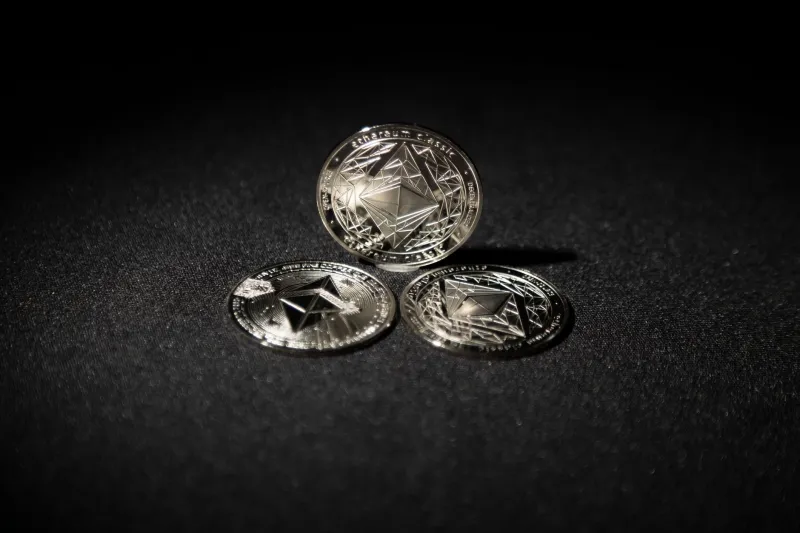
The most famous example most people reach for is the Ethereum/Ethereum Classic split following the 2016 DAO hack. When the Ethereum Foundation moved to reverse transactions and recover stolen funds, a vocal contingent — including some early ideological heavyweights — refused to go along with it. To them, immutability wasn't a feature. It was the whole point. The result was two chains, two communities, and a philosophical debate that still hasn't fully resolved almost a decade later.
But that one gets talked about constantly. Less discussed is the quieter pattern of individual founders walking away from projects they created — not because of a single catastrophic event, but because of slow, grinding drift. Governance structures that get captured. Roadmaps that pivot toward institutional money. Communities that grow large enough to lose the plot entirely.
Andre Cronje, the developer behind Yearn Finance, has done the disappearing act more than once — stepping back publicly, citing exhaustion and disillusionment with the space, only to resurface building something new. His exits weren't forks in the technical sense, but they carried the same energy: this no longer reflects what I came here to do.
Who Actually Owns a Decentralized Project?
This is where it gets philosophically messy, and honestly, kind of fascinating.
When you write the code and launch the protocol, you might feel like it's yours. But in a genuinely decentralized project, the whole premise is that no single person owns it — including you. The token holders govern it. The community shapes it. The contributors build it. You're just the person who lit the fuse.
So when a founder forks their own project because they don't like the direction governance took it, are they exercising a legitimate right? Or are they throwing a tantrum because the decentralized experiment they built actually worked, just not in the direction they wanted?
Honest answer: it's usually both, depending on the situation.
Sometimes founders fork because corporate money genuinely did capture the governance process and the original vision is being hollowed out. That's a legitimate grievance, and the fork is a form of accountability — a way of saying here's what this was supposed to be, come with me if you believe in it.
Other times, founders fork because they lost a vote fair and square and can't accept that the community they built disagrees with them. That's less noble, even if it's understandable.
The Punk Logic of 'Build It Yourself'
Here's the thing though — in a weird way, the ability to fork is one of the most radical features of open-source crypto culture, not a bug in the system.
Punk as a movement wasn't just about tearing things down. It was about the refusal to wait for permission to build something better. Three chords and a dream. You didn't need a record label. You didn't need a producer. You needed a vision and the willingness to execute it in a basement.
The crypto equivalent is: you don't need anyone's blessing to take open-source code and run a different experiment with it. If the original community went in a direction you think is wrong, you can prove your thesis with a competing implementation. Let the market decide. Let the community vote with their wallets, literally.
SushiSwap started as a fork of Uniswap — and while its early days were chaotic and its founder pulled a liquidity exit that scorched a lot of trust, it also demonstrated that a fork could genuinely compete and carve out its own identity. The original project responded by shipping faster. Competition, even messy competition, pushed both forward.
What Gets Lost in the Split
None of this is without cost, and it's worth being real about that.
When a founder publicly breaks from their project, it almost always fractures the community. People who came for the original vision have to pick a side, and a lot of them just disengage entirely. Developer talent splits or walks away. The narrative around both projects gets muddied. Liquidity fragments. And the people who get hurt most are usually the retail participants who didn't have enough context to navigate the chaos.
There's also a darker pattern worth naming: founders who use the threat of forking — or who orchestrate contentious splits — as a way to extract value or regain control they lost through legitimate governance. The idealistic framing of 'protecting the original vision' can absolutely be a cover for something a lot less principled.
The community's job is to tell the difference, which is genuinely hard when you're in the middle of it.
The Exit Is the Message
Maybe the most honest thing you can say about crypto founder forks is that they're a feature of a system that takes ownership seriously. In traditional tech, when a founder gets pushed out or the company pivots away from their vision, they sign an NDA and cash out their vested shares. The code stays locked. The community has no recourse.
In crypto, the founder can fork. The community can fork. Anyone with enough conviction and technical chops can take the original idea and run a different experiment. It's chaotic and messy and sometimes deeply cynical — but it's also a kind of accountability that doesn't exist anywhere else.
When a builder decides the thing they made no longer reflects their values, and they're willing to blow it all up and start over rather than compromise, that's either the most punk thing imaginable or a spectacular ego trip. Probably a little of both.
Either way, watch what gets built next. That's usually where the interesting stuff happens.